Your cart
Your cart is empty
Continue shopping
Drawer menu
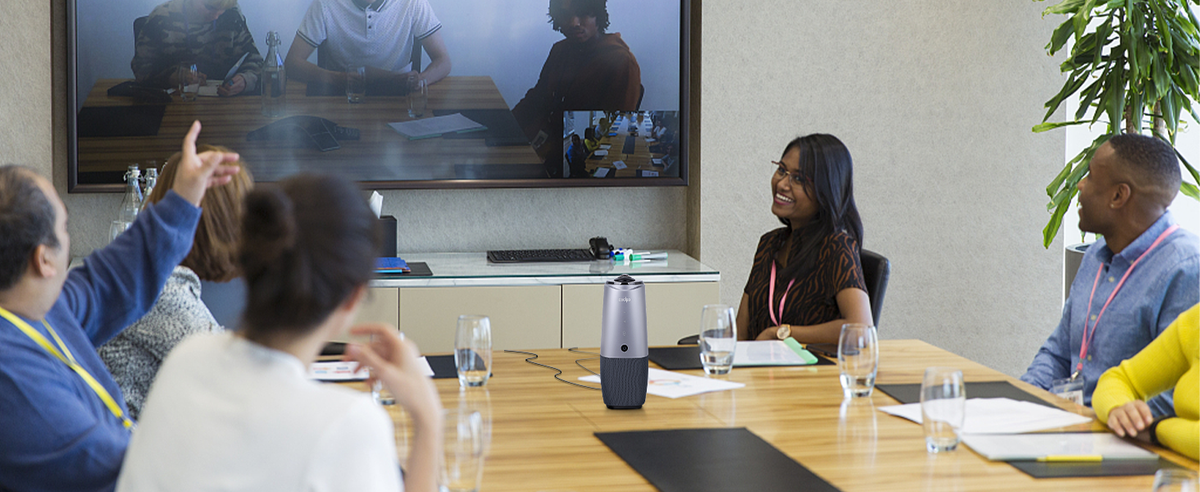
Hybrid work is reshaping the traditional workplace by shifting how teams communicate, collaborate, and measure productivity. Instead of relying on physical presence, companies now focus more on flexibility, digital workflows, and outcome-based performance.
Traditional workplaces measured productivity by time spent in the office. Hybrid work changes this by focusing on output instead of attendance.
Productivity is now tied to outcomes, not visibility.
In a hybrid setup, not everyone is in the same place at the same time. This forces teams to rely more on structured, digital communication.
If information isn’t documented, it gets lost.
The role of the office is changing. Instead of being the default workplace, it’s now used for:
Routine tasks are done remotely, while office time is used for high-value interaction.
One of the biggest changes is how meetings are conducted. Hybrid meetings require better tools to ensure equal participation.
The focus is on making remote participants feel just as included as those in the room.
Hybrid work gives employees flexibility—but it also requires clearer systems.
Without structure, flexibility can quickly turn into confusion.
Managers can no longer rely on direct supervision. Hybrid work pushes leaders to:
Leadership becomes more about guidance than control.
Hybrid work blends personal and professional environments, which can be both beneficial and challenging.
Teams need clear expectations to avoid burnout.
To adapt to hybrid work, companies need to:
Hybrid work isn’t just a policy, it’s a complete system shift.
Hybrid work is not just changing where people work—it's changing how work happens. Companies that adapt by improving communication, upgrading tools, and designing better workflows will see stronger collaboration and productivity in the long run.


