
Travel Customer Service: Optimizing Audio Support for Peak Travel Demand in 2026
2026 is shaping up to be a record year for global travel, which means higher call volumes for airlines, hotels, and booking platforms. Common friction points — long wait times, fragmented channels, and poor audio quality — directly hurt traveler satisfaction and loyalty. Professional headsets and clear audio infrastructure help hospitality and travel call centers handle peak demand without sacrificing service quality.
As global tourism continues its strong recovery, 2026 is expected to be a peak year for international and domestic travel. Travel disruptions are inevitable. 86% of travelers pay more for excellent customer service, and 84% remain loyal to brands that deliver. From flight bookings to hotel inquiries, travelers will rely more than ever on efficient travel customer service to manage reservations, resolve issues, and navigate last-minute changes.
Whether assisting with flight disruptions, hotel confirmations, or itinerary adjustments, support agents need clear communication tools to deliver fast and accurate service. High call volumes, noisy environments, and complex customer concerns make reliable audio technology essential especially for travel, airline and hospitality call centers preparing for the surge.
In this guide, we will explore 2026 travel demand expectations, rising destination trends, common customer-service challenges, and best practices for improving travel customer service quality.
Understanding the Rise of Travel Demand Leading into 2026
Tourism has steadily recovered since the pandemic, creating strong demand heading into 2026:
- Pre-pandemic (2018): International tourism exports reached US$1.7 trillion, growing 4% year-over-year — a sign of how significant global travel demand was even before the pandemic.
- 2020: COVID-19 caused a historic collapse in travel, with arrivals dropping dramatically.
- 2024: Tourism rebounded to roughly 99% of pre-pandemic levels, with many destinations surpassing 2019 numbers.
- 2025: International arrivals grew 5% in the first half of 2025 compared to the same period in 2024, putting global travel roughly 4% above pre-pandemic levels.
Given this momentum, analysts project 2026 to be a high-volume year for global travel, which means more calls, more inquiries, and greater pressure on travel customer service teams, airline hotlines, and call center partners.
To meet this demand, companies need a strong communication infrastructure — including clear audio, reliable headsets, and scalable hospitality and travel call center operations.
Top 5 Destinations for 2026

As global demand continues to rise, here are several destinations that are emerging as the most in-demand travel hotspots for 2026:
1. United States
The U.S. remains one of the world's most visited destinations heading into 2026. Popular cities like New York, Orlando, and Los Angeles attract travelers year-round, which leads to high customer-service activity for booking platforms and airlines. Travelers often contact support lines when adjusting itineraries — modifying hotel bookings, changing flights, or resolving reservation issues while already traveling. High call volumes during peak U.S. travel season put real pressure on the customer service infrastructure behind these bookings.
2. France
France continues to be a top global destination, especially Paris, which remains a major magnet for leisure and business travel. With heavy trip planning — hotels, trains, and multi-city itineraries — travelers frequently rely on booking platforms for support, and customer-service teams handle a high volume of calls related to hotel confirmations, cancellations, or last-minute modifications.
3. Japan
Japan is expected to stay among the strongest travel hotspots through 2026, driven by interest in Tokyo, Osaka, Kyoto, and seasonal festivals. Because Japan's transport system is interconnected and fast-moving, travelers often need real-time assistance with flight changes or rebookings. Airline support channels experience surges during peak seasons, especially around cherry blossom and New Year travel.
4. Spain
Spain's tourism momentum continues, led by Barcelona, Madrid, and the Balearic Islands. These locations consistently see high hotel and tour demand. As a result, customer-service centers for online travel agencies experience increased volume during summer and holiday seasons, as travelers commonly reach out to modify dates, secure additional nights, or resolve issues with local partners.
5. Mexico
Mexico remains one of the strongest tourism markets heading into 2026 due to its resorts, beaches, and cultural destinations like Cancún, Tulum, and Mexico City. With so many last-minute trip adjustments — especially among U.S. travelers — flight support channels are in heavy use. Airline call centers often handle high volumes for rebooking, delays, and baggage questions, while accommodation platforms see increased inquiries during peak seasons.
Why These Destinations Increase Demand for Travel Customer Service
As bookings rise, so do expectations. Travelers want rapid assistance for:
- Cancellations
- Last-minute hotel changes
- Airline disruptions
- Multi-channel communication (phone, chat, email, social media)
This is where reliable audio quality becomes crucial. Agents must hear clearly and respond accurately — especially during peak seasons.
Why Customer Service Still Shapes the Travel Experience in 2025
A customer's journey does not end at booking. In fact, the service experience continues throughout the entire trip.
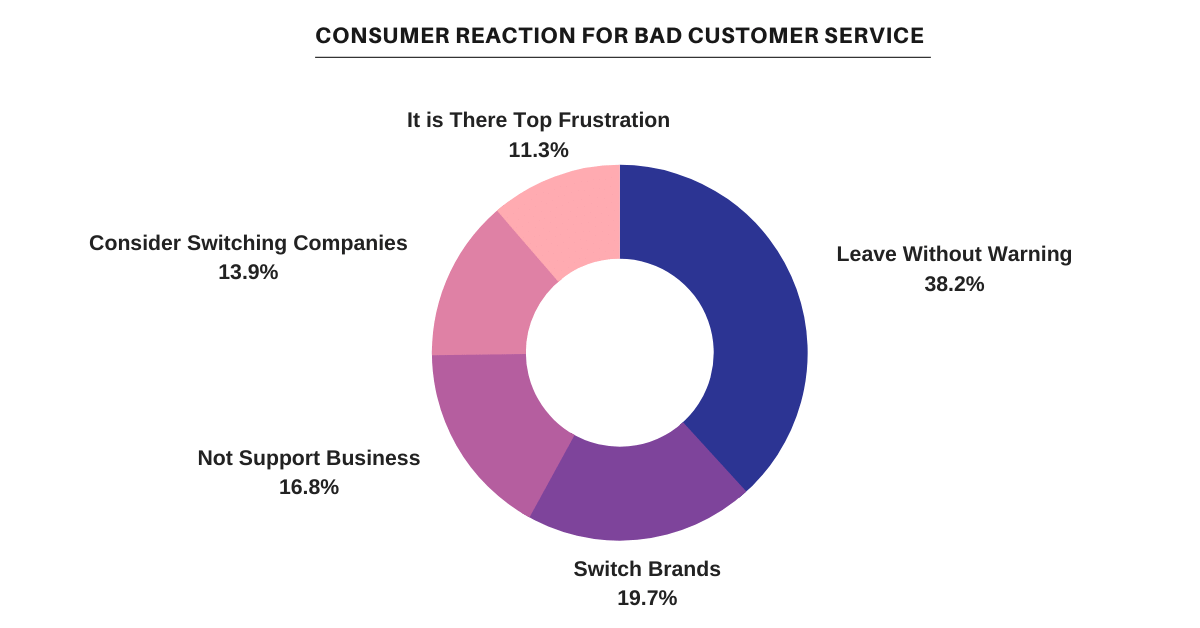
Here's how business losses happen quickly after poor service (Kapture):
- 38.2% leave after a bad experience
- 19.7% switch to competitors
- 42% avoid future purchases
Despite AI chat tools, mobile apps, and self-service options, travelers still rely heavily on human assistance — especially when travel plans change unexpectedly. This makes crystal-clear communication essential.
Common Customer Service Challenges in Travel
Even in 2026, travelers still face several recurring challenges. These issues show why reliable communication tools are essential for travel companies.
- Long Response Times During Peak Seasons – During holidays or high-demand periods, support teams are stretched thin. Delays frustrate travelers and increase the likelihood of errors.
- Limited or Disconnected Communication Channels – Travelers expect help via phone, chat, email, or social media. Fragmented systems force customers to repeat themselves or navigate multiple platforms.
- Confusing Refund and Rebooking Policies – Policies across airlines, hotels, and booking platforms can be complex. Misunderstandings lead to disputes or dissatisfaction.
- Inconsistent Information Across Teams – Different agents or channels may provide conflicting guidance, slowing down resolution and frustrating travelers.
- Limited Support for Last-Minute Changes – Spontaneous trips or unexpected disruptions require fast adjustments. Many companies struggle to accommodate these efficiently.
- Audio and Communication Issues – Poor-quality headsets, static, background noise, or dropped calls directly impact service effectiveness. Misheard information or repeated questions not only slow down problem resolution but also reduce customer satisfaction. High-quality audio is essential for clear, efficient, and professional support, especially during peak travel periods.
By understanding these challenges, travel companies can see why investing in professional headsets, noise-canceling microphones, and clear communication systems is no longer optional — it's essential for delivering smooth, efficient service during high-demand travel seasons.
How Audio Quality Impacts Travel Call Centers
A single misheard hotel date or flight code can cause major issues. That's why travel call centers, airline support lines, and outsourcing partners are modernizing their communication tools.
This challenge isn't unique to the travel industry. Customer support teams across industries—including banking and finance and healthcare insurance—face the same audio-quality issues and are adopting noise-canceling headsets to deliver clearer, more effective customer interactions.
This is where optimized devices such as the Coolpo Ignite Headset become essential. Coolpo's technology supports:
- Noise-canceling microphones
- AI-enhanced voice clarity
- Stable audio even in busy call center environments
- Comfortable long-hour use for agents
While companies use a variety of technologies, improved audio hardware directly leads to:
- Faster resolution times
- Fewer repeated questions
- Less agent burnout
- Higher customer satisfaction
Many travel companies also rely on travel call center outsourcing partners to manage high inquiry volumes, making clear audio and reliable communication tools even more essential for [real estate and high-volume sales teams -> /post/real-estate-call-center-success-how-the-right-headset-improves-lead-conversion] facing the same challenge.
Best Practices and Preparing for Peak Travel
To meet the demands of 2025–2026 and provide exceptional travel customer service, companies must adopt proactive strategies that combine well-trained staff, robust processes, and reliable technology. Preparing ahead ensures that support teams can handle peak travel volumes without compromising quality.
- Invest in High-Quality Audio and Headsets – Clear communication is essential for resolving traveler issues efficiently. Professional headsets with noise-canceling microphones allow agents to hear and be heard accurately, reducing errors and improving resolution times. In high-volume periods, reliable audio tools can be the difference between a satisfied traveler and a frustrated one.
- Optimize Staffing and Scheduling – Anticipating peak periods — such as holidays, summer travel, or festival seasons — enables travel companies to staff appropriately. Flexible scheduling, temporary support staff, and cross-trained agents help manage surges in inquiries without creating long wait times.
- Use Multi-Channel Support Systems – Travelers now expect seamless support across phone, chat, email, and social media. Integrating these channels ensures that inquiries are routed efficiently, history is tracked, and responses remain consistent, minimizing the need for travelers to repeat information.
- Train Agents for Common Scenarios and Tools – Well-prepared agents can handle last-minute flight changes, hotel adjustments, or itinerary modifications with confidence. Using standardized scripts, knowledge bases, and training on platform-specific tools (e.g., Booking, Trip.com, Hotels.com systems) improves accuracy and efficiency.
- Monitor Performance and Feedback – Tracking call volumes, response times, and customer satisfaction metrics helps identify gaps and adjust resources in real time. Regularly reviewing feedback ensures that teams are continuously improving and addressing pain points proactively.
By implementing these best practices, travel companies not only reduce operational stress during high-demand periods but also enhance traveler satisfaction. Clear audio, reliable technology, and skilled staff create a seamless experience that keeps customers returning and builds a strong reputation in the competitive travel market.
Conclusion
As the travel industry approaches 2026, delivering exceptional travel customer service is more important than ever. Rising demand, complex itineraries, and higher travel expectations mean every interaction can influence loyalty and satisfaction. Clear communication, supported by professional headsets and reliable audio systems, ensures agents can respond quickly and accurately, even during peak periods.
By addressing common challenges such as long response times, inconsistent information, and last-minute changes, and by implementing best practices like multi-channel support and agent training, travel companies can optimize their travel customer service. Investing in high-quality audio and well-prepared teams is a strategic move that enhances efficiency, improves traveler experiences, and strengthens brand reputation for 2026 and beyond.
Optimize your team's audio support using the Coolpo Ignite Headset.
Get yours here!
1. Why does travel customer service need better audio tools?
Travel support calls often involve critical, easily-misheard details — dates, confirmation codes, flight numbers — where a single error can mean a missed flight or a billing dispute. Clear audio reduces those errors and speeds up resolution.
2. What's driving higher call volumes for travel customer service in 2026?
Global tourism has recovered past pre-pandemic levels, and analysts project continued growth through 2026. More bookings mean more cancellations, rebookings, and last-minute changes flowing into support channels.
3. Why do hospitality and travel companies use call center outsourcing?
Outsourcing lets travel and hospitality brands scale support capacity during seasonal peaks without permanently staffing up, while still meeting rising guest expectations for fast, multi-channel service.
4. Does audio quality actually affect customer loyalty in travel?
Yes — data shows a meaningful share of travelers who have a bad service experience leave, switch to a competitor, or avoid future purchases. Miscommunication caused by poor audio is a preventable contributor to that churn.
5. What should travel call centers look for in a headset?
Noise-canceling microphones, comfort for long shifts, and reliable connectivity matter most — busy call center floors and multi-channel workflows put more strain on both agents and equipment than typical office use.
Recent blogs

.png)

Reliable
Innovation
Touch


